Why you need to act sooner rather than later…
As a canine nutritionist, one of the most common challenges I see is dogs carrying more weight than is healthy for their body. While a little extra around the middle might seem harmless, the consequences of excess weight are far more serious than many realise.
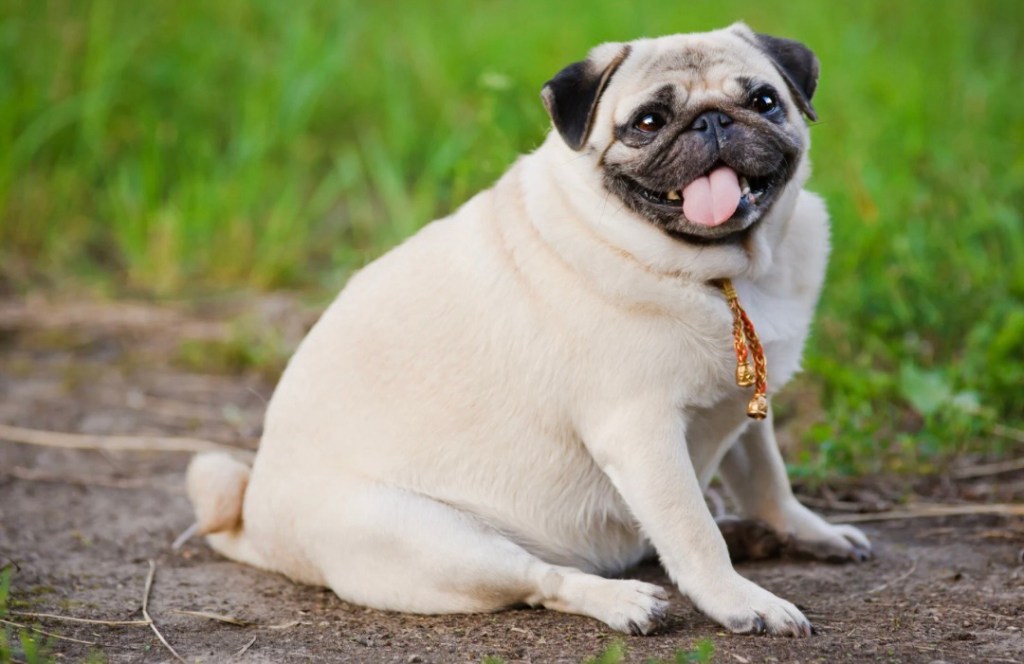
It’s not just about appearance, it’s about health
When a dog is overweight, every part of their body is affected. Extra fat isn’t just stored energy, it’s active tissue that increases inflammation throughout the body. This puts dogs at a much higher risk of developing conditions like arthritis, diabetes, heart disease, and even some cancers.
Joints are placed under more pressure, breathing can become more difficult, and organs have to work harder, all of which can lead to long-term health complications.
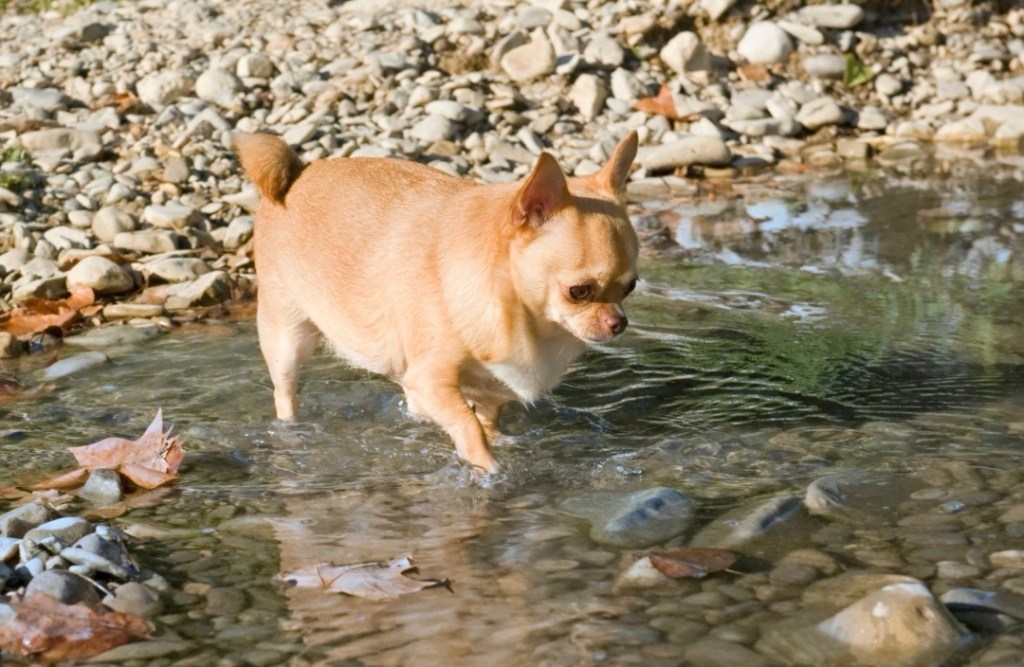
Subtle signs often go unnoticed
Dogs don’t tend to show pain in obvious ways, especially when the discomfort builds gradually. Many owners tell me their dog is just “getting older” or “slowing down,” when in reality, their extra weight is making it uncomfortable to move, play, or even rest.
Panting excessively, avoiding stairs, or needing to lie down after only a short walk are all signs that a dog might be struggling with their weight and they need to be taken seriously.
Weight affects quality of life and lifespan
One of the most sobering facts I often share is this: overweight dogs, on average, live up to two years less than dogs at a healthy weight. That’s time lost from walks, cuddles, and shared adventures, all because of something that’s generally preventable.
But the good news is, it’s never too late to make changes.

Nutritional support makes a difference
Helping a dog reach and maintain a healthy weight doesn’t mean drastic diets or constant hunger. It’s about providing the right balance of nutrients, the appropriate portion sizes, and choosing foods that support metabolism, muscle tone, and energy levels.
As a nutritionist, I create tailored feeding plans that take into account a dog’s age, breed, history, lifestyle, activity level, and any medical concerns. The aim is always to support the dog’s wellbeing in a way that’s sustainable, realistic, and effective. It’s often not as easy as just ‘feeding less and moving more’, which is usually the unhelpful advice pet guardians receive.

Working together for long term results
If you’re concerned your dog may be overweight, or you’ve been told by your vet or other pet professional that changes are needed, don’t worry, you’re not alone! With the right plan, most dogs respond incredibly well to a new feeding routine. Often, within a few weeks, owners start to notice their dog has more energy, moves more freely, and seems generally brighter.
If you’d like help assessing your dog’s current weight or diet, please get in touch. I offer nutritional consultations and ongoing support to help dogs get back to a healthy, comfortable condition.
Let’s give them the best chance at a longer, happier life.
You can find information about my weight management package on my website
TIna Clyde 💚


 Penn View Pets
Leave a comment