Could Nutrition Help Your Dog?
Anxiety, reactivity, aggression and overexcitement, can all be affected by diet yet many pet owners seek help from trainers and behaviourists but fail to address what their dog is eating. Many dogs are fed ultra processed foods or diets lacking in essential nutrients which are vital for brain function, hormone production and general well being.

There are many factors which influence behaviour including genetics, socialisation, environment and health and unfortunately diet is often overlooked entirely. Just as diet affects human mood and behaviour, what your dog eats can affect them in the same way. My first dog, Mustard was reactive and walks were often stressful. I wish I knew then what I know now about diet and gut health. I think things would have been so different for him.
Supporting your pets behaviour through their diet can help reduce problems by ensuring they are given the necessary essential nutrients vital for mood regulation.
The Link Between Diet and Behaviour
The brain relies on a steady supply of nutrients to regulate mood and emotions. Imbalances of certain vitamins, minerals, and amino acids can contribute to increased anxiety, frustration or aggression.
Blood Sugar Levels and Reactivity
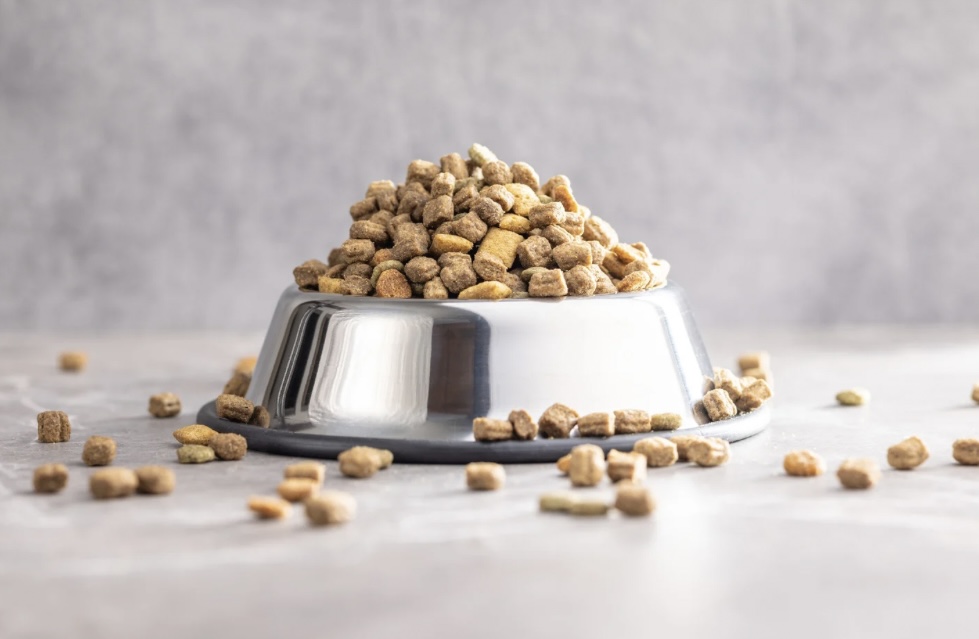
Unstable blood sugar levels can lead to mood swings, irritability, and poor impulse control. Feeding high-sugar, high-carbohydrate diets (especially low quality kibble) may cause energy spikes and crashes, making a reactive dog even more unpredictable. A balanced diet with quality protein and complex carbohydrates (fibre) can help stabilise blood sugar and promote steadier behaviour.
The Role of Protein and Amino Acids
Protein is essential for brain function, but not all protein sources are equal. The amino acid tryptophan helps produce serotonin, a neurotransmitter that plays a crucial role in regulating a dog’s mood, behaviour, sleep, appetite, and overall emotional wellbeing.
Dogs on a very high protein diet with excessive amounts of other amino acids (such as tyrosine) may experience reduced serotonin production, potentially increasing frustration levels.
Best sources of tryptophan for dogs:
- Turkey
- Chicken
- Salmon
- Eggs
Omega-3 Fatty Acids for Brain Health
Omega-3 fatty acids, particularly DHA and EPA, support cognitive function and can reduce inflammation in the brain. Studies suggest that dogs with higher omega-3 intake may show improved focus, learning ability, and reduced aggression.
Best sources of omega-3s for dogs:
- Oily Fish (such as sardines and mackerel)
- Algae oil
- Flaxseed oil
- Chia seeds
Artificial Additives and Hyperactivity
Many commercial dog foods contain artificial colours, preservatives, and flavour enhancers that can negatively affect behaviour. Some additives have been linked to hyperactivity, restlessness, and digestive upset, all of which can contribute to reactivity and aggression.
Avoid foods with:
- Artificial colourings (e.g., E102, E110)
- BHA and BHT preservatives
- Excessive salt and sugar
Gut Health and Mood Regulation
The gut and brain are closely connected, and a healthy gut microbiome is essential for emotional balance. Probiotics and prebiotics can help regulate gut bacteria, which in turn supports better behaviour and stress resilience.
Gut-friendly foods for dogs:
- Plain yoghurt or kefir (with no added sugar)
- Fermented vegetables (in small amounts)
- Fibre-rich vegetables (such as pumpkin, sweet potato and leafy greens).
Finding the Right Diet for Your Dog
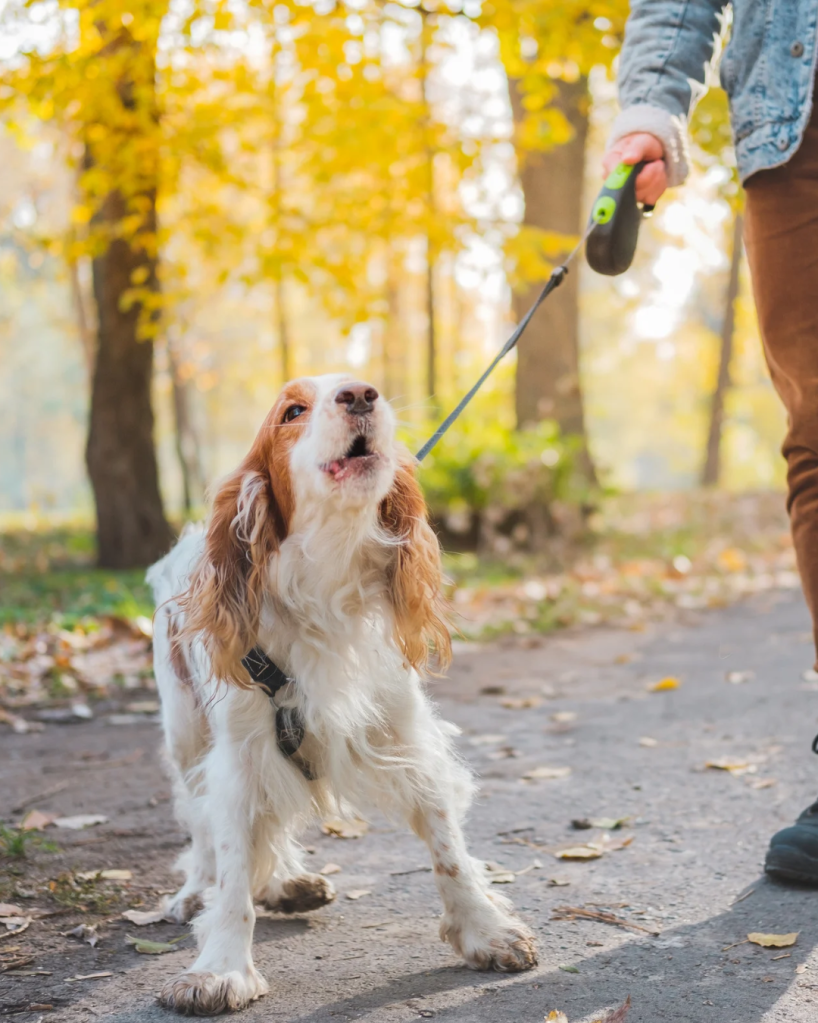
Every dog is unique, and what works for one may not work for another. If your dog struggles with reactivity or anxiety, a dietary assessment may help identify possible triggers. A balanced, whole food diet tailored to their needs can make a significant difference.
While diet alone won’t replace training and behaviour management, it is a valuable tool in supporting a calmer, more balanced dog. If you’d like to find out how I can help your dog please get in touch.
Tina Clyde 💚


 Penn View Pets
Leave a comment