Is your current protocol working for or against your pet?
The weather’s warming up, which means so are the fleas and ticks! This is a subject that I deal with as part of both my grooming and nutrition work. Of course we all want to protect our dogs and cats from critters but are we doing the right thing by routinely using preventatives?

Firstly the word preventative is a little misleading. Many pesticide products are in fact treatments. What I mean by this is they are treating a problem. They are NOT preventing anything. The product requires the fleas and ticks to bite your pet in order for them to work. So they haven’t actually prevented your pet from getting fleas or ticks.
Secondly if your pet doesn’t get bitten by a flea or tick then you’ve ‘treated’ them for nothing. They have been given a toxic product for absolutely nothing and you’ve also wasted your money! You could be applying a treatment every month of your pets life for no purpose.
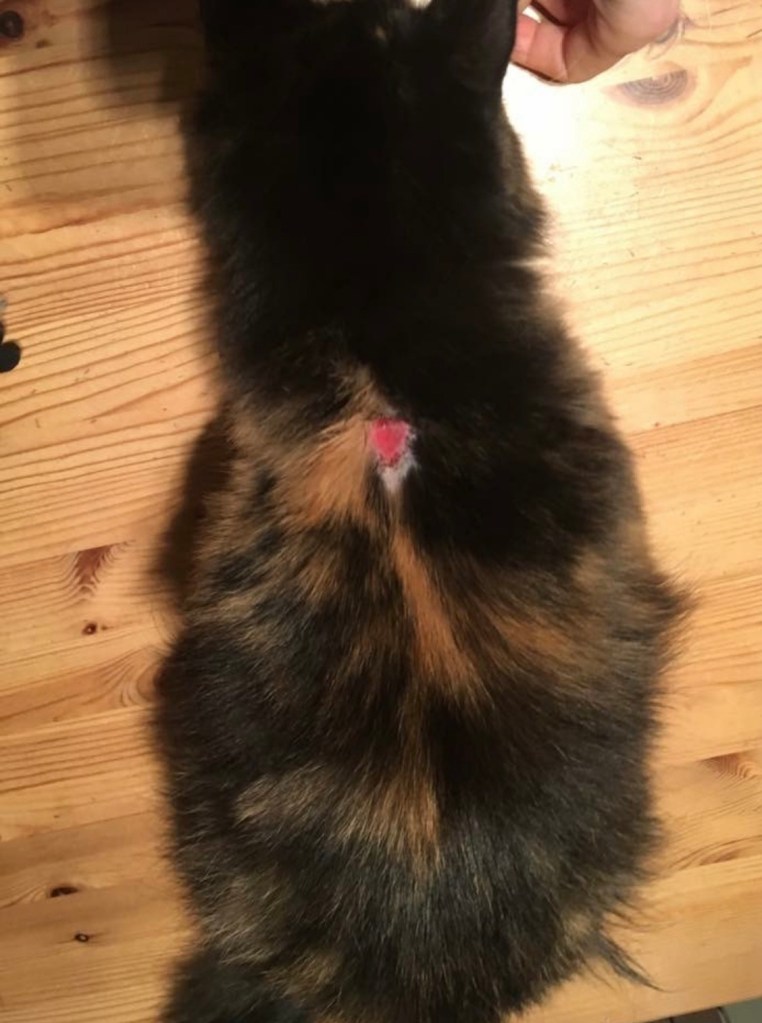
Sadly these products are not without risk, in fact they can be extremely harmful, not only to your pet but to the environment, waterways, fish and wildlife. There’s a reason the package inserts tell you to wear gloves and wash your hands immediately. They also come with potential side effects such as seizures, skin reactions and vomiting amongst others.
Recent studies have discovered that one monthly flea treatment for a large dog contains enough imidacloprid (insecticide) to kill 25 million bees. Yes, you read that correctly, it’s not a typo… 25 MILLION bees! (1)
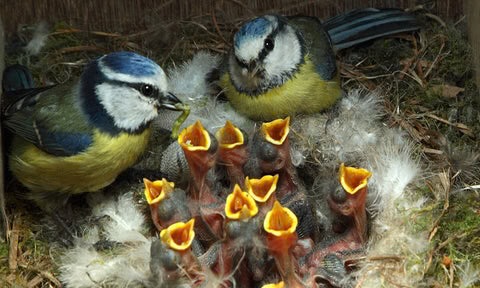
A study by The University of Sussex recently collected 103 nests from blue and great tits. 100% of nests contained fipronil, which was banned in the EU for agricultural use in 2013, and 89% contained imidacloprid, which was banned in the EU as a plant protection product in 2018. (2) Although banned for agricultural use, these products are allowed to be used for veterinary purposes. The devastating effect these products are having on our environment is something we should all be mindful of when considering our approach to treating our pets.
A parasite treatment protocol should be based on the individual animal, their risk and their environment. A dog living in the countryside, exercising in fields would require a different plan to a handbag dog being carried around a city all day for example.
There are other options available rather than opting to treat monthly without question. We could treat our pets when they actually have fleas which would be a much safer alternative. There are numerous natural preventatives such as neem based topical products, which work to repel fleas.
Woolly coated breeds such as poodle types could be trimmed shorter during the warmer months to make it easier to monitor the situation. A flea comb is a great tool for short haired dogs and more regular bathing of your dog and all their bedding, sofa throws etc will help break the flea life cycle and avoid infestation, not forgetting a LOT of hoovering!
Diet and other wellbeing choices are an important part of the picture. Ensuring your pet’s in the best possible health with a robust immune system so they’re best placed to respond to a possible allergic reaction or disease transmission is the best way to protect them. By repeatedly applying unnecessary toxic parasiticides the microbiome, therefore the immune system is actually under threat, meaning long term your pet is going to be in a weaker position.
I hope this gives you some ideas of alternatives or a little bit of confidence to approach the parasite situation a little differently. We owe it to our pets and the environment to question and think about how we use these insecticides. They are not harmless and in many cases are not necessary.
Please get in touch if you’d like to find out how I can help you optimise your pets diet to support them to live a long and healthy life.
Tina Clyde 💚
(2)https://www.sciencedirect.com/science/article/pii/S0048969725000737


 Penn View Pets
Leave a comment