Supplements can be hugely beneficial for our pets, but their effectiveness and safety depend on the specific supplement and the individual pet’s health needs.

When speaking to pet guardians I I often find they are feeding supplements but not really understanding why, unsure of the outcome they are expecting. Or in other cases if results aren’t seen quickly another supplement might be added into the mix. Many multi-dog households feed all of their dogs the same supplements, just because one of the dogs needs them. This may be beneficial in some cases but each dog should be treated as an individual and the supplements required by one aren’t necessarily going to beneficial for the entire family. Perhaps you’re someone who has a cupboard full to bursting with supplements that you’re feeding or that you will eventually end up throwing away!
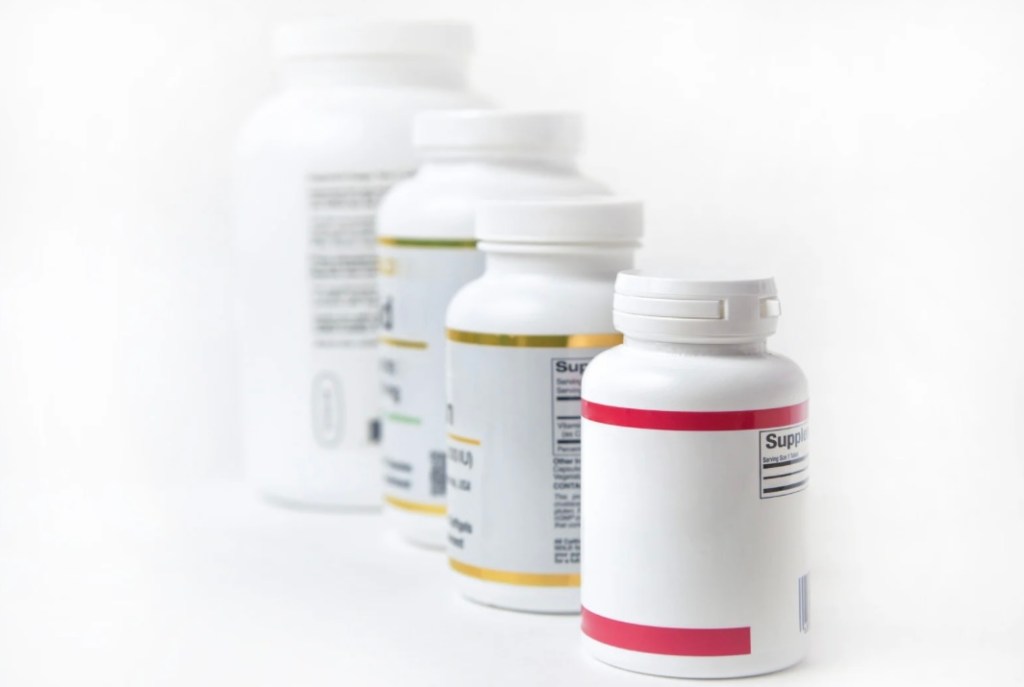
The key is to prioritise a nutritious, balanced, diet. Feeding high quality, varied, fresh ingredients will minimise the need for supplements as your dog will be gaining all they need from their food. We tend to look for supplements to support our pets health when issues arise such as for joint health and cognitive function for example and while supplements can play a role in enhancing your dog’s health, over-supplementing can lead to serious health risks.

What Are The Dangers of Over-Supplementing Your Dog’s Diet?
While supplements can offer incredible benefits when used appropriately, giving too much or unnecessary additives can do more harm than good. Here are some risks of over supplementing your pets diet…
Risks of Over-Supplementation
1. Nutrient Toxicity: Some nutrients, when consumed in excessive amounts, can be toxic to dogs. For instance:
- Vitamin D: Too much vitamin D can cause calcium deposits in vital organs, leading to kidney failure.
- Calcium: Over-supplementing calcium can interfere with bone development in puppies or lead to kidney stones in adult dogs.
- Iron: High levels of iron can damage the liver and gastrointestinal tract.
2. Health Complications:
- Feeding excessive amounts of omega-3 fatty acids to your dog can result in gastrointestinal upset and reduced immune function.
- Excessive probiotics may disrupt the natural balance of gut bacteria, causing diarrhea or bloating.
3. Interference with Medications: Certain supplements can interact negatively with prescribed medications, reducing their efficacy or cause side effects. For example, some herbal supplements can thin the blood and increase the risk of bleeding during surgery.
4. Masking Underlying Issues: Supplementing without understanding the root cause of a dog’s symptoms may mask serious health issues. For example, using a joint supplement for stiffness might delay the diagnosis of a more severe condition like hip dysplasia or arthritis.
It’s important to ensure if you are using supplements that you do your research and purchase them from a reputable source and make sure they don’t contain unnecessary ingredients such as fillers and flavourings. Not all supplements are equal and there are a lot of inferior products available.
If you would like help to ensure your dog is eating the most optimal diet for their individual needs or would like to discuss any supplementary requirements, please get in touch.
Tina Clyde 💚


 Penn View Pets
Leave a comment