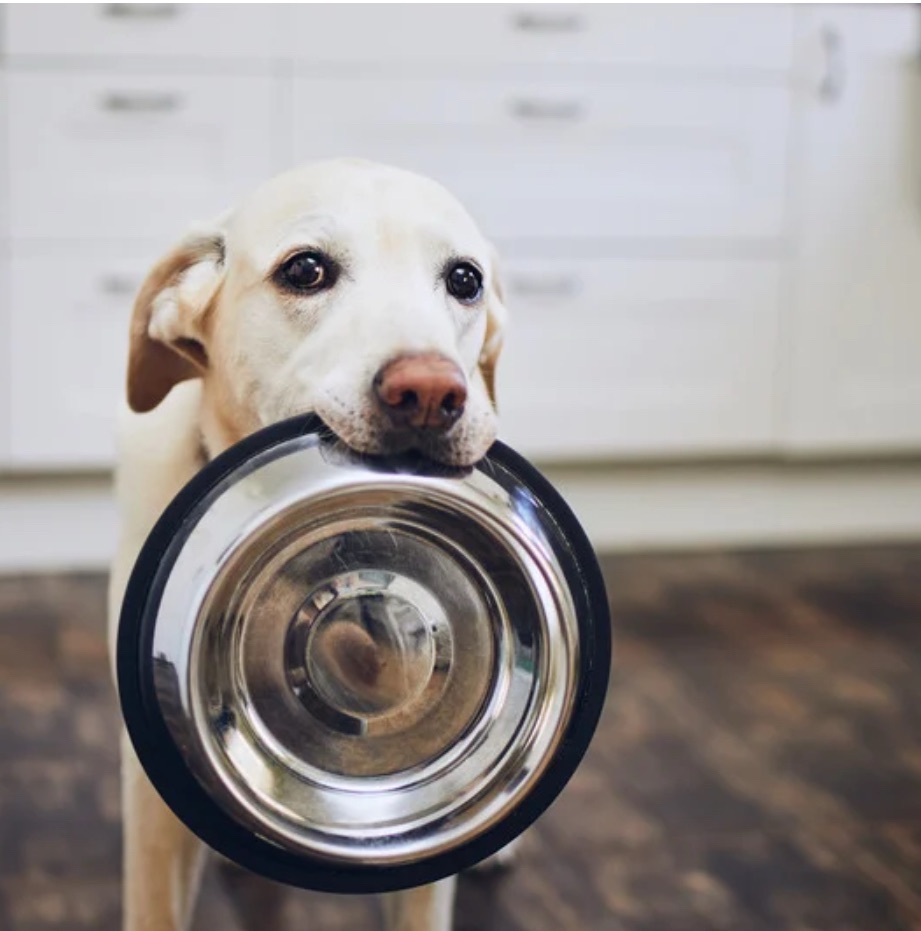
Why Is My Dog Not Eating?
It can be really frustrating when your dog seems ‘fussy’ and you find yourself struggling to feed them something they’ll enjoy.
The most important thing to do in this situation is discover the reason why.
When our dogs don’t want to eat something there will be a reason. They are trying to communicate this with us.
We need to take these opportunities to listen to our pets and try to support them rather than label them and dismiss them as being awkward or manipulative.
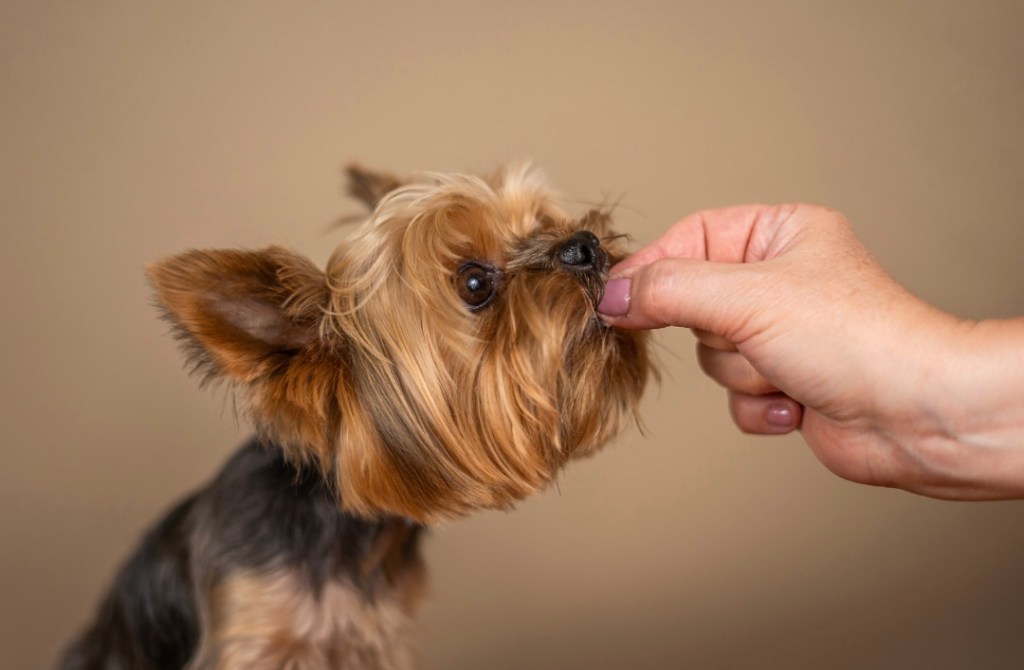
The first thing to rule out is that there isn’t an underlying medical issue such as a dental problem, gastrointestinal issues causing inappetence or maybe medication that’s causing side effects for example.
Food is one of many things our pets have no control over, as their guardians it’s up to us to ensure they have all the nourishment they need to thrive and also that they enjoy eating the food we provide them.
Imagine for a moment that you were expected to eat whatever someone decided you should eat. Maybe that would consist of one type of food, every meal, every day for your entire life! This is what a lot of pet diets look like.
This lack of variety also has a negative impact on the gut microbiome, which is responsible for digesting and utilising the nutrients our dog’s eat as well as immune function and the regulation of hormones. Creating a healthy microbiome is vital for your pets health as well as making mealtimes more enjoyable! Adding some whole food toppers such as eggs, oily fish, leafy greens and bone broth for example are a great way of improving nutrition, variety and adding interest to your dog’s bowl.
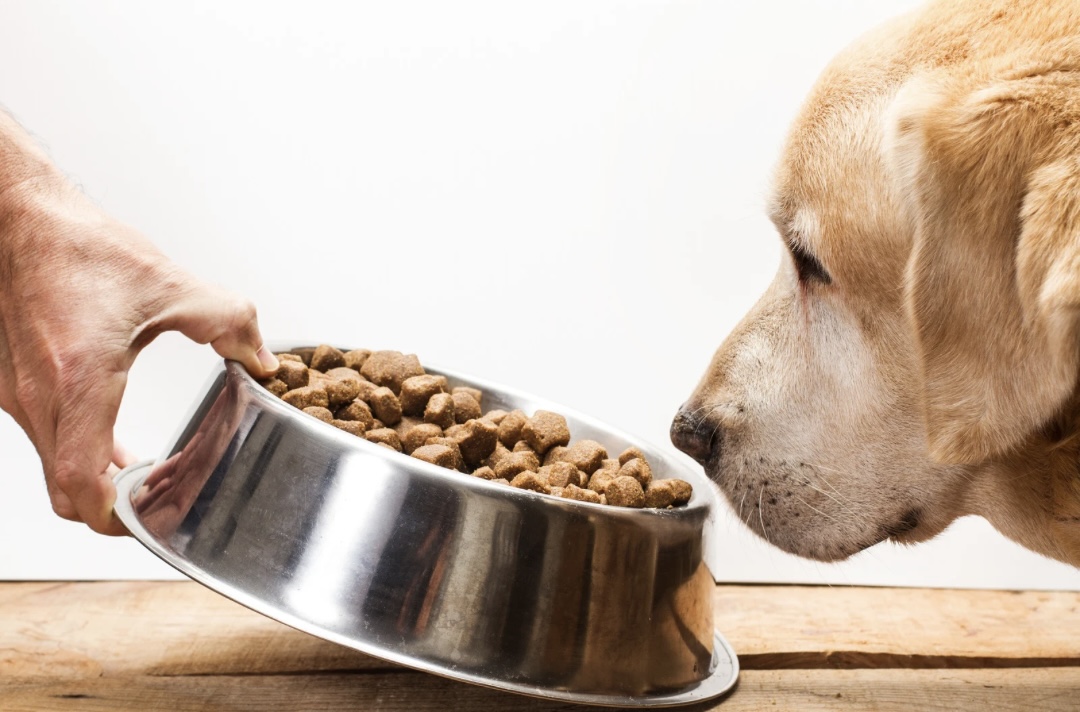
I don’t know about you but my tastes have changed a lot throughout my lifetime. I enjoy a lot of foods now that I didn’t when I was young and there’s certain foods, such as mushrooms I dislike because of their texture. Then there’s some foods I can’t stomach because of the smell, such as coffee and peanuts.
Maybe your pet dislikes the flavour or texture of a particular food. Could your usual brand of pet feed have made changes to their product? Your dog may possibly not like the smell of their food. Maybe something they’ve eaten has made them feel nauseous so they’re avoiding eating that food again. Could something stressful or frightening have happened to them whilst eating and they now associate meal times with this negative feeling. This could be something that wouldn’t be at all obvious to you but may have a significant effect on your dog. Could your dog be trying to tell you they’re not hungry, if you feed them twice a day, you could try opting for one meal instead and see if this makes a difference. If your dog ‘s body condition score is on the heavier side (many are without their guardians realising) you could look into the amount of food you’re feeding. Many manufacturer feeding guidelines are on the upper end of requirements.
You can check your dogs body condition score here… https://wsava.org/wp-content/uploads/2020/01/Body-Condition-Score-Dog.pdf
Stress plays a huge role and changes in environment and usual routine can cause an impact for our pets. A house move, visitors, renovations, these can all cause stress, which could manifest in changes to their eating habits.
Maybe you’ve been dealing with a major event such as a bereavement (human or pet), a relationship breakdown or home renovations. Perhaps health, work or financial issues have been on your mind. Any stress you are experiencing will be taken on by your pet, so it’s worth really thinking about what’s going on in your dog’s environment and how that could be affecting them. These things are unavoidable of course but they may just be the key to why your dog’s eating habits have changed.
Something exciting like a holiday, whilst enjoyable for us will often mean upheaval for our pets. Maybe they’ve been in kennels or been cared for by someone else, experiencing different foods, treats and timings of meals which has affected them.
Where your dog eats can be an often overlooked area when it comes to ‘fussy’ dogs. Assess where your dog is fed, is it in a busy location , maybe a lot going on with children and visitors? Are there other dogs/pets who they feel threatened by? The space they are eating in needs to feel safe and secure for them. The obvious place to feed dogs is the kitchen but this does tend to be a very busy hub so maybe your dog would prefer eating somewhere calmer.

Try to put yourself in your dog’s position (literally) get down to their eye level and see if there’s anything that may be off putting for them, perhaps a reflection in a door or window.
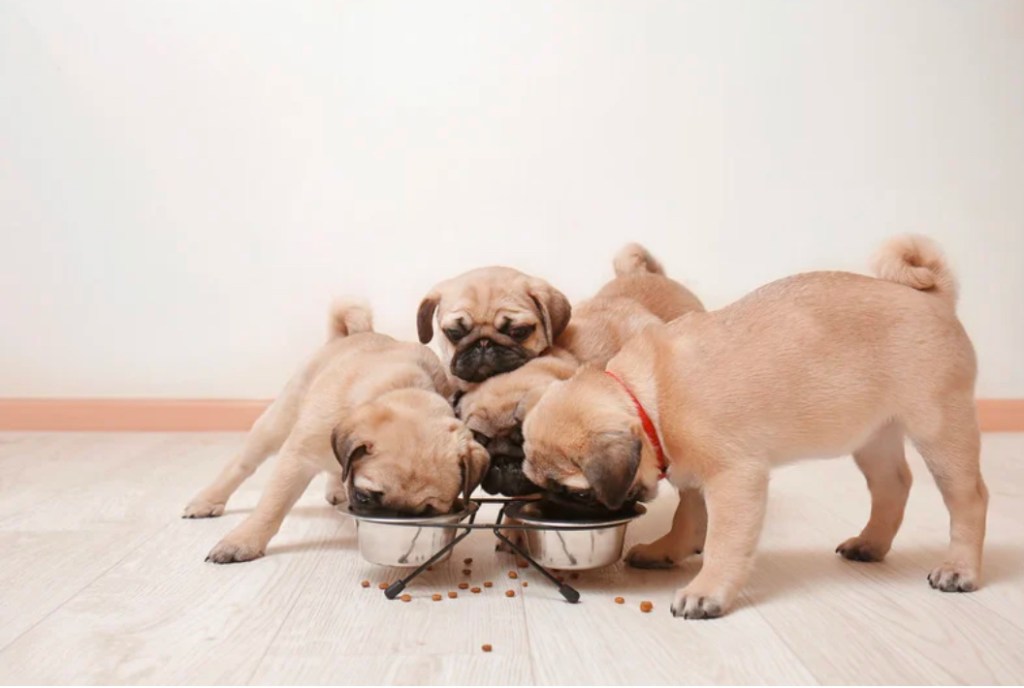
How your dog is fed is also worth consideration. Many dogs are fed from a bowl, the type of material this is made from can be an issue, perhaps your dog has recently had a new bowl and this has unsettled them. If it’s a plastic bowl, maybe they dislike the smell. They may dislike seeing their reflection from a stainless steel bowl. Many animals dislike eating from a bowl and feel safer eating from a plate, a chopping board or simply the floor, this is because their vision is impaired when their head is inside a bowl. Again it comes down to safety, they feel more secure being able to see whilst eating. Or perhaps the size of the bowl isn’t easy for them to eat from. Some dogs (especially brachycephalic breeds such as pugs and bulldogs) would find it much easier to eat from a flat surface.
If your dog wears a collar with a tag, this could bang against their bowl at meal times making a noise which upsets them.
Hormonal changes can affect your pets eating habits so through puppyhood, adolescence and during their senior years it’s very common for their eating habits to change. The senior years can really require some adjustment, not only nutritionally but mobility and changes in the microbiome need to be taken into account.
(See my blog on Nutrition For Your Senior Pets)
https://pennviewpets.blog/2024/05/24/nutrition-for-your-senior-pets/
Your dog could be struggling with being able to eat comfortably from a bowl on the floor so a raised feeder may help with this. Added palatability can be achieved using bone broth, which will not only give huge nutritional benefits but can be fed warm making food tastier and smellier which is much more appealing. Again, added toppers such as oily fish will increase much needed omega 3’s as well as enhancing flavour. If your dog has always been raw fed, making sure this is fed at room temperature or moving to a lightly cooked diet could help if your dog seems to be put off their usual food.
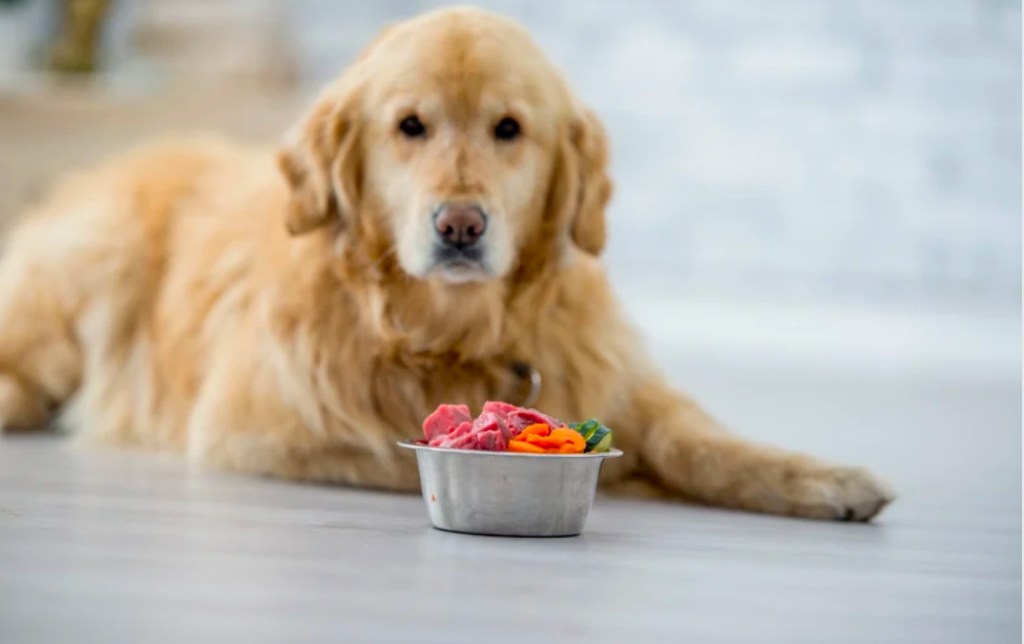
I hope this has helped you understand your dog isn’t being intentionally difficult and has given you some ideas as to why they may have become ‘fussy’ and how you can help support them to enjoy mealtimes again!
If you would like some help with your pet’s diet please don’t hesitate to get in touch.
Tina Clyde 💚


 Penn View Pets
Leave a comment