It’s important to ensure you feed your puppy correctly. It’s the foundation for their future health. Ideally it’s something you’ve considered before collecting your new addition, even better still, something you think about when researching an ethical breeder. Many good breeders are now realising the importance of fresh feeding and ensuring their litters have the best nutritional start in life. The health of your new puppy begins with their mum and even generations before – though, we’ll save that for another blog!

Puppy’s require the correct, balanced nutrition to ensure they receive the vital components for growth. Your puppy is growing rapidly and will require nutritional support to ensure this growth is not compromised. Brain function, bone strength and immunity are just a few of the functions that will be affected by diet
A “complete & balanced’ puppy food should be fed until your puppy matures, which will vary depending on breed but for smaller breeds will be approximately a year and for larger breeds up to 18 – 24 months.
It’s important to ensure you are feeding a food that is produced for a puppy, NOT one for an adult dog. This is because the nutritional requirements necessary for both of these life stages vary. Puppy’s require a much larger amount of calories to support their growth, a higher amount of protein and different nutrient requirements.
It’s vital for fats to be balanced, this is something that will be a problem if you feed an adult food to a puppy. This is because there is no legal requirement for an adult dog food to contain Omega3’s (a type of fatty acid essential for brain development), however there is a requirement for them to be present in puppy food.

Calcium and phosphorus also need to be balanced, too much or too little can cause skeletal problems(1) Puppy’s are unable to regulate their calcium absorption until at least 6 months, meaning they could end up with an excess, which can then lead to joint issues. Zinc is vital for immune function and skin health. Optimal levels of all other vitamins and minerals are necessary for creating well functioning bodily systems.
All puppy’s are different and the amount of food they need will depend on their breed and size. They will require more frequent meals than an adult dog and a much larger amount of calories, this is due to the huge growth that takes place between 3 – 5 months. Generally meals can be spread over 4 separate mealtimes until 4 months old, then reduce this to 3 meals until around 6 months when you can reduce to 2 times per day. Don’t forget treats, these shouldn’t account for more than 10% of your dog’s diet.

When you bring your puppy home the breeder may supply you with some food. Alternatively, make sure you know what your puppy has been fed and ensure you have the same food available. Your new puppy will have enough to deal with, without having to cope with a sudden change in diet. The only caveat to this is if your puppy is being fed an unbalanced diet or is ill (this will, of course require veterinary intervention).
If you plan on changing your puppy’s diet, do this gradually over a period of 7-10 days. Slowly introducing the new food while gradually phasing out the original one. This will ensure a smooth transition and avoid any possible gut problems.
If swapping from a dry to fresh diet you will need to do this by a caloric basis rather than weight. Kibble has more kcals per 100g than wet, raw or cooked, meaning you would end up under feeding your dog if you did a straight swap of amounts.
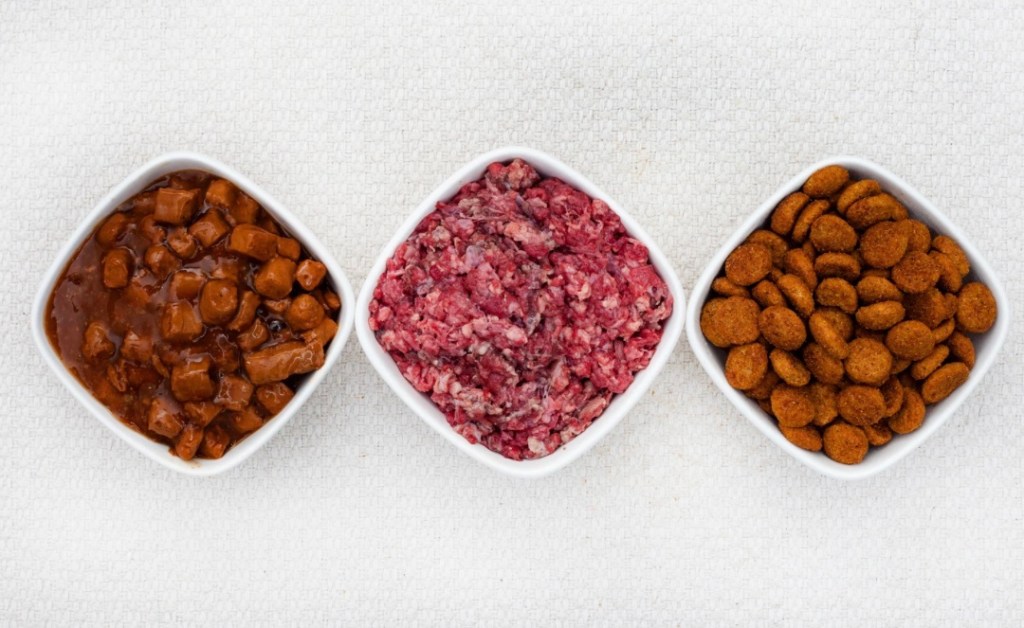
There are so many diets to choose from and it can be a confusing choice. As well as nutritional considerations there will also be financial and practical ones. Whichever diet you choose, ensure it is ‘complete & balanced’ this will mean your puppy will receive the correct balance of proteins, fats, vitamins and minerals essential for good growth.
Your puppy may go through phases of ‘fussy’ eating. This can be due to a number of reasons, such as stress, growing pains, teething, hormonal changes, vaccinations. Keeping a close eye on their weight and growth to ensure they are growing well and not losing weight is important so you’re able to address any issues promptly.
If you are planning on an introducing a new puppy to your family or changing your puppy’s diet and would like help with that or any other nutrition advice, please get in touch.
Tina Clyde 💚


References;
https://www.researchgate.net/publication/374902703_Beynen_AC_2023_Calcium_supply_to_puppies
 Penn View Pets
Leave a comment