This is one of the most common questions pet guardians ask me.
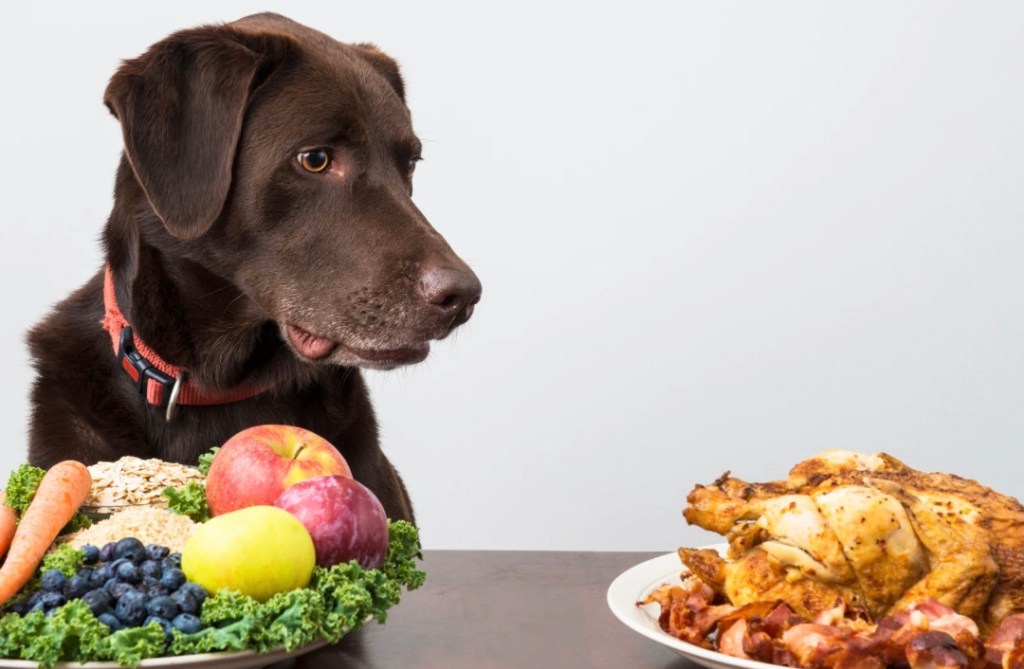
The answer is not that simple, there is no ‘one size fits all’.
This is because every pet is unique, as are their nutritional requirements. In the same way that you, your family members and friends all have different tastes, likes and dislikes, your pet is no different.
I dislike mushrooms, I don’t like their texture, coffee makes me feel sick. My mum loves coffee and mushrooms but won’t eat peas or tomatoes! There are also intolerances, allergies and other health issues that will influence the types of food that you’re able to eat.
Our pets also have their own preferences, to flavours, textures and types of foods and those that will nutritionally benefit them,
Unfortunately many pets will spend their lives eating the same type of food at every meal, every day for their entire lives.
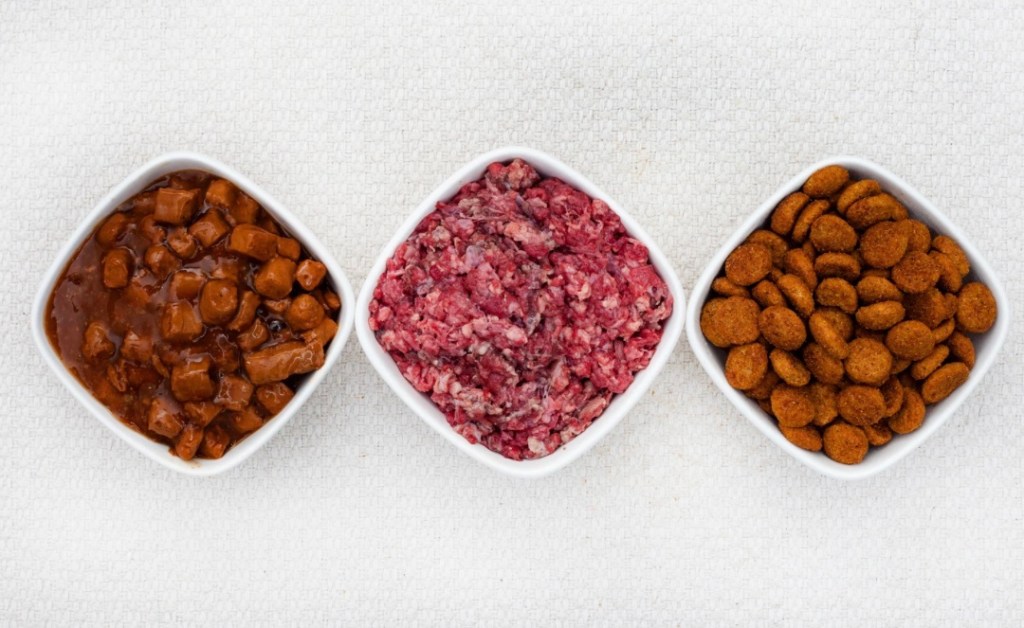
Variety is key to a healthy gut and a healthy gut is the key to overall health. Around 70% of the immune system is found in the gut so it’s vital that its function isn’t compromised. The gut and brain are also connected, this means your pet’s behaviour can also be directly influenced by gut health. The microbiome is a community of bacteria that can be found in the gut, their job is to extract nutrients from food and protect the body from pathogens. More information about the microbiome can be found here –
https://pennviewpets.blog/2024/03/12/the-good-the-bad/
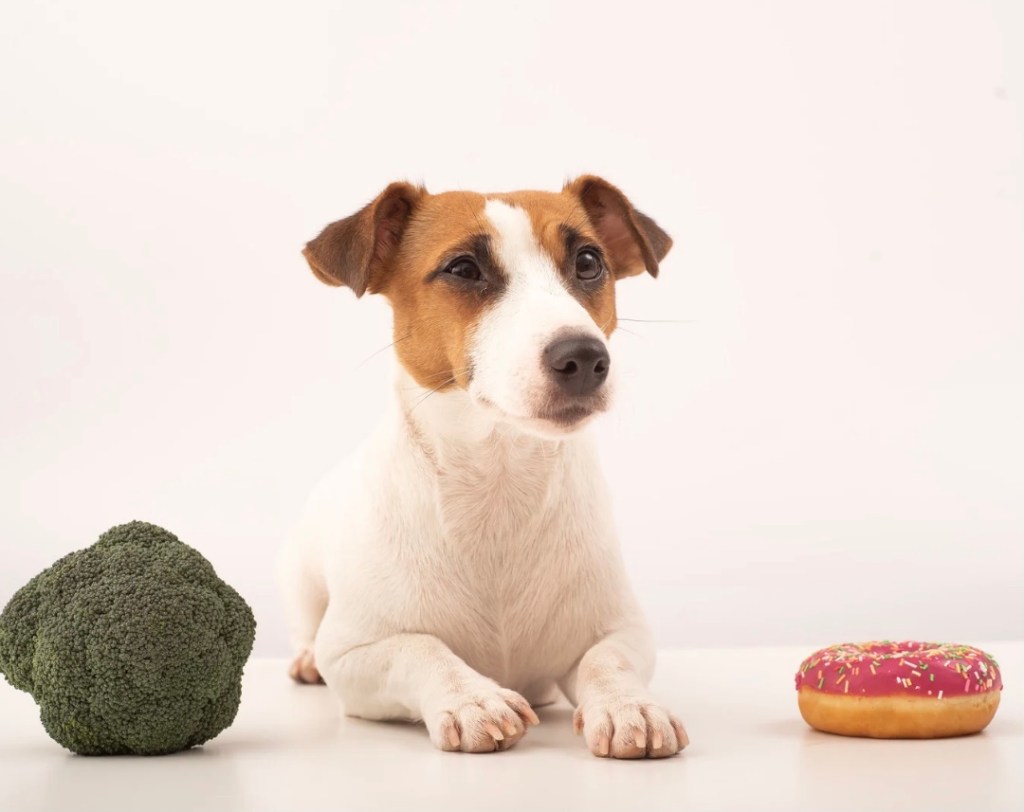
The foods our pets eat have the ability to either harm or heal. In the same way we understand that we should consume a diet of fresh whole foods, the same is true for our pets. Many pet food products we feed are what we term as ‘ultra-processed’. These products are appealing, being branded and marketed as ‘healthy’ or ‘natural’ when often their contents are lacking in quality ingredients and nutrition. A fresh diet, whether that is served raw or lightly cooked would offer a more bioavailable source of nutrition for your pet, this means their body is better able to breakdown and use the nutrients as opposed to the synthetic nutrients found in heavily processed diets.
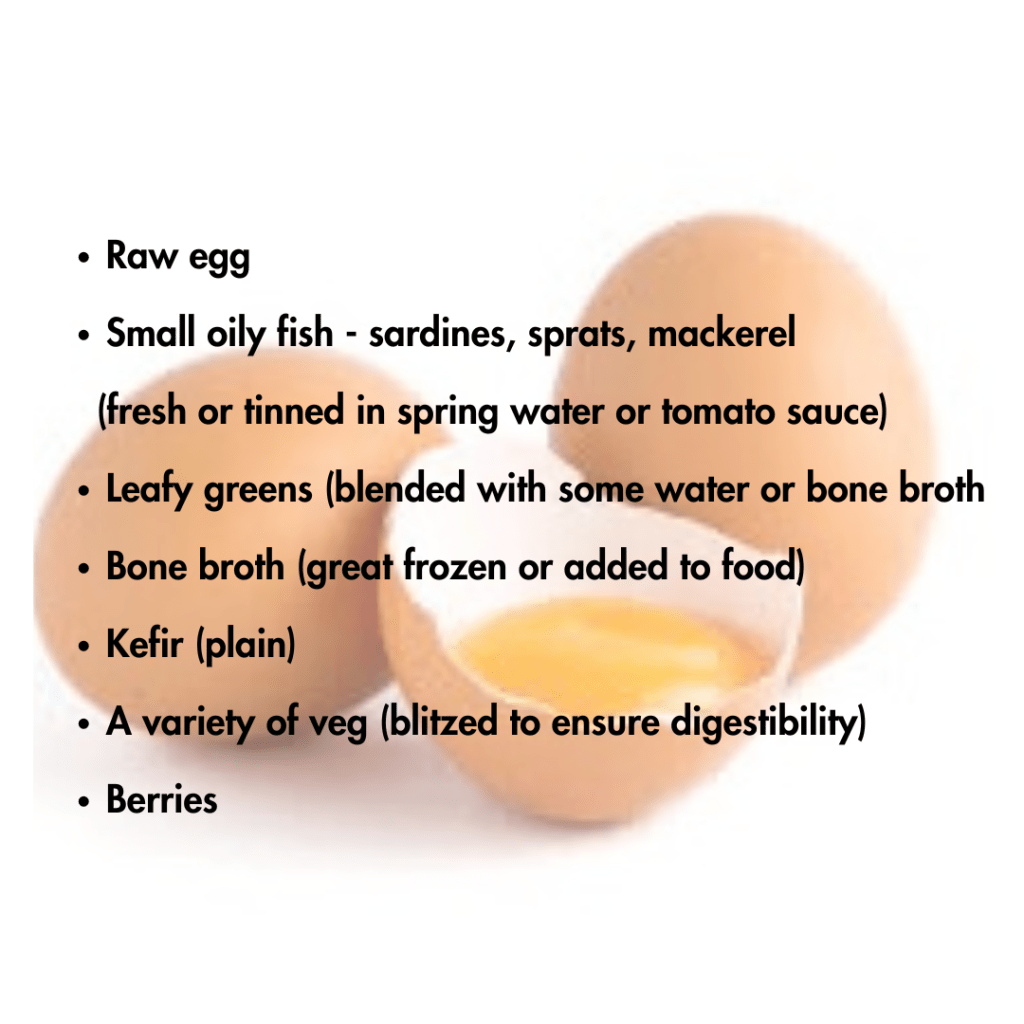
Even if you’re unable to feed a completely fresh food diet, studies have found adding 20% of fresh food to your pets processed diet will offer health benefits (1) This is something that is a practical and cost effective way of improving the health of your pet.
Here are a few examples of foods that can easily be added to your pets bowl:
There’s nothing more satisfying than seeing your pet eat a bowl of fresh food or at least some fresh food. It’s mentally stimulating for them to enjoy different flavours and textures as well as being highly nutritious.
If you would like to discover more about how to improve your pets health and longevity, please don’t hesitate to get in touch.
Tina Clyde LCGI 💚
Please follow my social media and blog page for more useful information for your pets health.


 Penn View Pets
Leave a comment