
As your pets age it’s important to try to support them as much as possible. Diet is a vital part of this and some simple adaptations can make a huge difference.

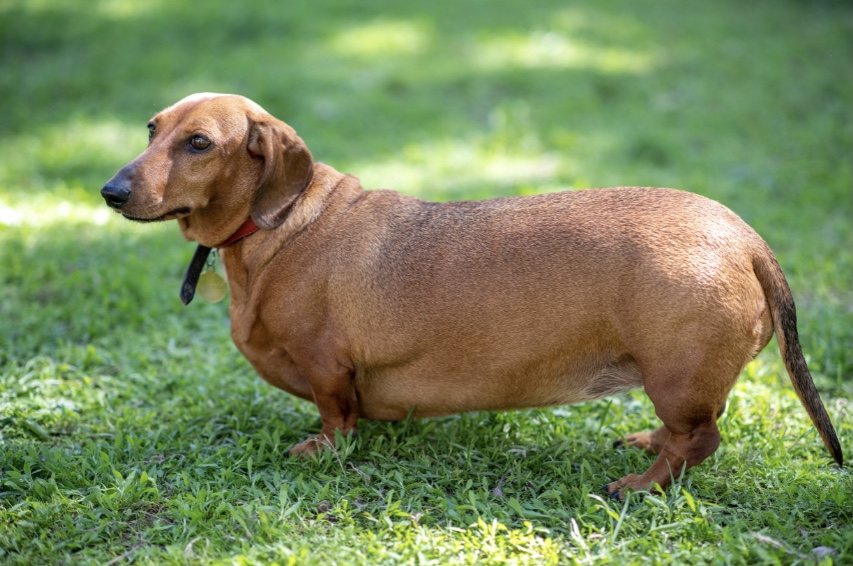
The first thing to consider as your pet ages is that their energy levels will begin to decline. Adjusting the amount of food they consume to match their slower metabolism will help avoid excess weight gain. It’s important to maintain a healthy weight, this will ensure the joints aren’t under pressure which will affect mobility as well as increase joint pain. It will also lessen the risk of other weight related issues such as heart disease and diabetes. It’s important to ensure if you’re reducing calories that you’re not also reducing nutrition.
Type of Food
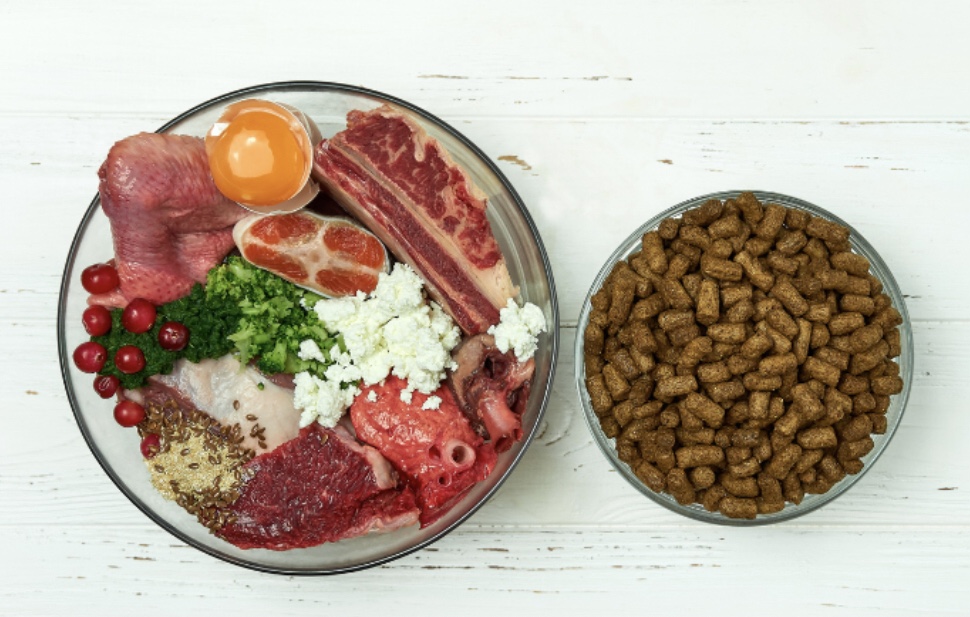
I would always advocate feeding a fresh, whole food diet which will provide quality protein sources. This would ensure your dog is consuming quality, nutritious food that is going to give them the best chance of health and longevity. However even with a fresh diet, whether that’s raw or lightly cooked, some additions may be beneficial for your oldies.
Most commercially available pet foods are ultra processed, whether they are dry or wet. This means the nutrients that are present will generally be synthetic, so are less able to be used by the body or if they are from whole food sources they will most likely be denatured by the high heat processing. The addition of some nutrient dense whole foods has been shown to be a positive move and will help prevent inflammation and provide your senior pet with extra support.
A study of more than 500 dogs over a 5 year period showed that those dogs fed a homemade diet of quality foods had a life expectancy of 32 months longer than those fed a commercial pet food diet! (1)
There are a few fundamentals to optimal health, especially for our oldies…
Hydration
Dogs are made up of around 70% water and cell function relies on hydration, it’s the foundation of every bodily function.
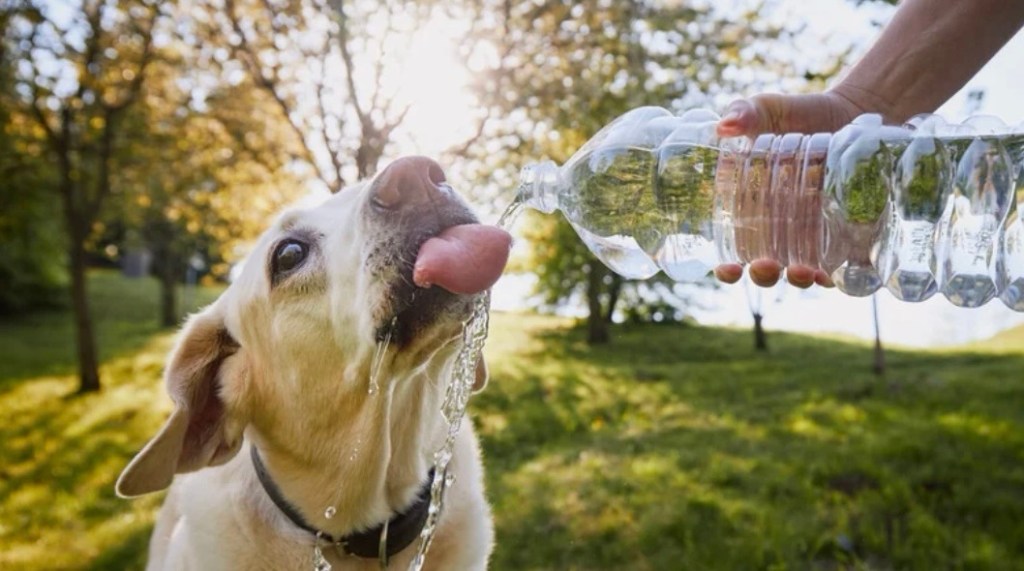
The body is able to utilise water from food more effectively so the more hydration your pet is able to get from whole food sources rather than a water bowl, the better. This is especially important for kibble fed dog’s who need to drink much more to compensate for the lack of moisture in their food. A very simple swap to make, which will improve your dog’s health is to offer filtered water rather than tap water. As well as reducing toxins it also gives them a much better drinking experience, tap water can often smell highly chemical, much more so for our dogs and cats with their superior sense of smell.
Quality protein
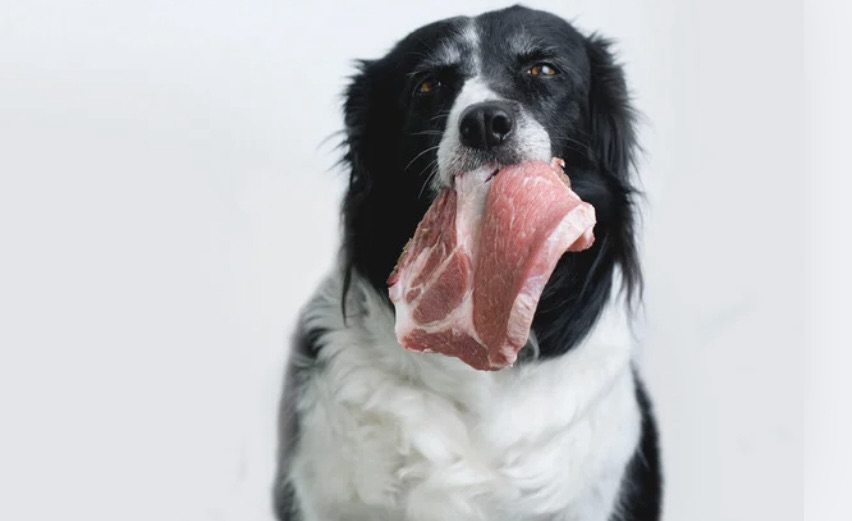
Protein provides essential amino acids, which play crucial roles including tissue repair, building muscle, making hormones and breaking down food. Many commercial foods are carbohydrate based, this is because it’s cheaper, therefore more profitable and although dogs can digest it, they have no requirement for it, whereas protein is essential for them. As well as being much more easily digested the nutrients are also more bioavailable, meaning they are broken down and used more effectively and efficiently. The emphasis with protein is quality, the better quality the protein source, the more nutritious and beneficial it is going to be, so the way it’s reared and processed are important.
Omega 3 fatty acids
These play a vital role in joint health, and can slow cognitive decline. They also maintain coat and skin health, providing hydration and elasticity The are also provide anti inflammatory properties, counteracting the inflammatory effects of omega 6. Both omega 6 and 3 are essential however they have to be fed at the correct ratio. Many pet food lack omega 3 fatty acids, even raw diets, in fact they aren’t even a requirement in adult food, only for puppy’s.
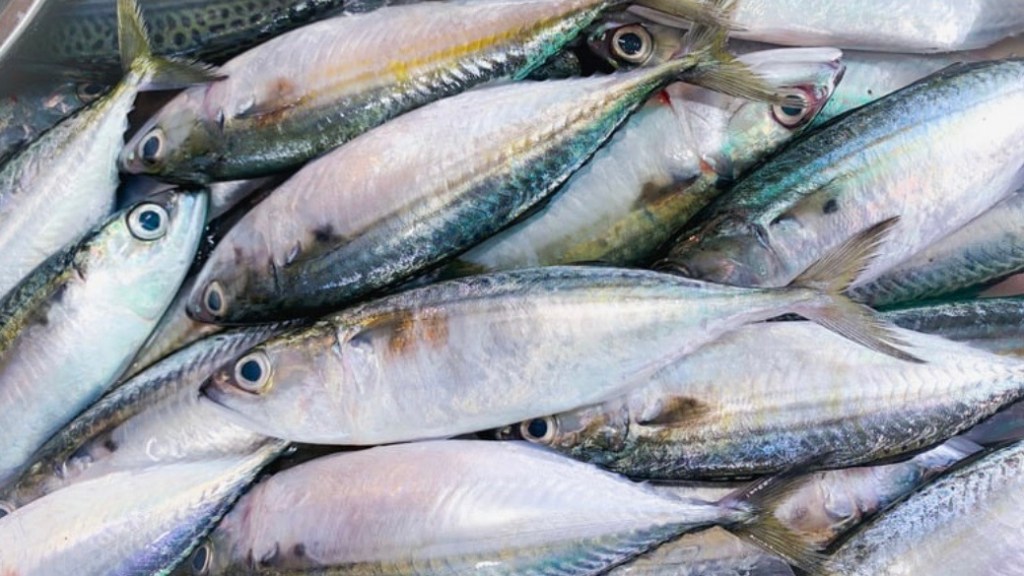
Feeding small oily fish regularly is a simple, cost effective way of providing an excellent source of omega 3’s or alternatively supplementing with a quality oil such as, green lipped mussel, krill or algae oil are good sources of omega 3, avoid salmon oil due to quality and sustainability concerns.
Be aware that oils begins to turn rancid when exposed to air and light so ensure to purchase in smaller amounts rather than large containers. Opt for oil stored in dark glass and not plastic and ensure you store it as per manufacturer’s instructions.
Anti oxidants
These reduce oxidative stress by fighting free radicals (think of this as rust in the body). Anti oxidants provide the body with polyphenols, essential vitamins A, C and E and beta carotene, all of these help protect your dogs cells as they age, supporting immunity, joint health and cognitive function.
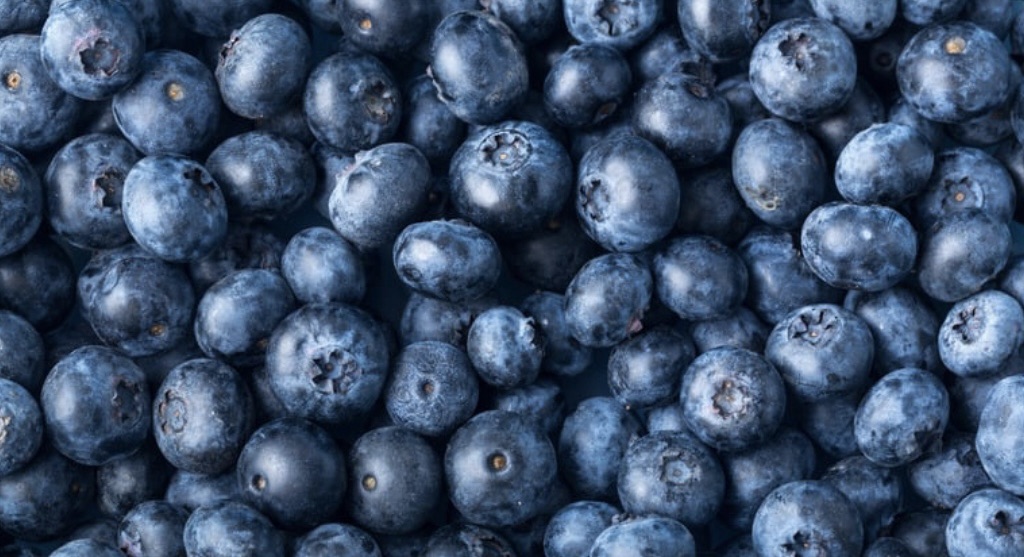
Good sources of anti-oxidant rich foods are generally colourful, think berries (especially blueberries), sweet potato, pumpkin, squash and leafy greens such as kale, spinach and broccoli.
Bone broth is a great addition to your dog’s diet at any age but it’s especially beneficial for seniors. It’s highly nutritious, hydrating and can be added to meals to make them more palatable. You may find your previously raw fed dog may prefer to eat lightly cooked meals as they age, this is usually a tastier and more easily digestible option for them.
Supplements
Supplementation can be beneficial as pets age. There are a huge array of products on the market so it’s important to ensure you’re purchasing a quality product from a reputable supplier.
Your pet’s microbiome, which is responsible for their immune system may change as they age and become unbalanced. This can be supported with pre or probiotics, either from food sources or through supplementation. (2)
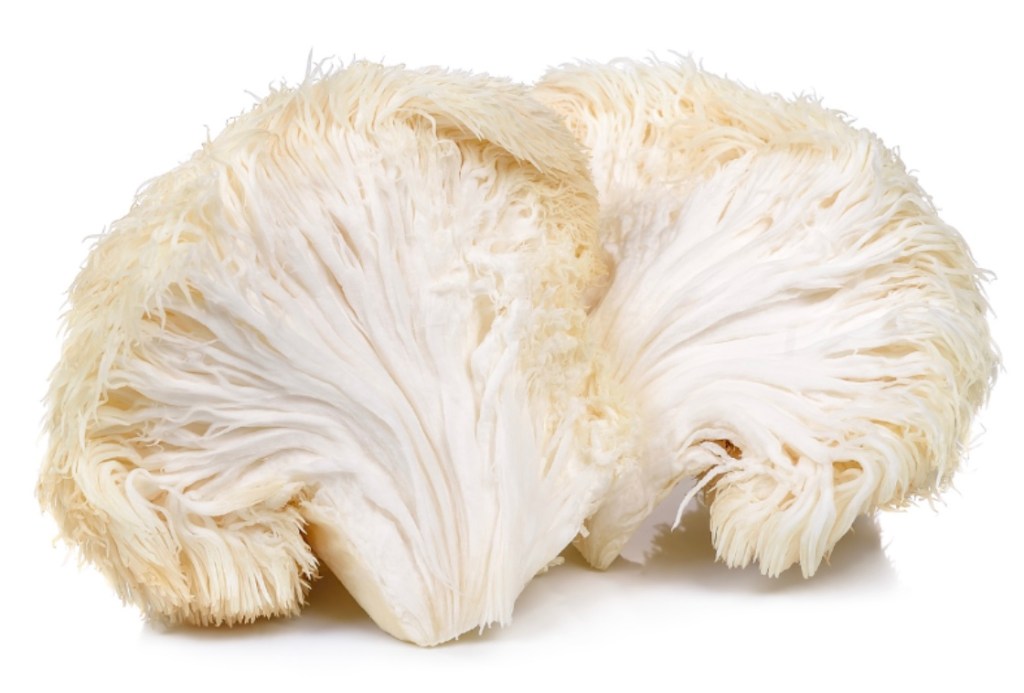
Mushrooms, such as Lions Mane offer support for the brain and nervous system making it a really useful supplement for those pets who are suffering with cognitive decline and who may be anxious. Turkey tail mushroom can help with immune support. Blends of various useful mushroom supplements are available. (3)
We all want our pets to live long, healthy lives and hopefully with some extra nutritional support you’ll be able to enjoy each other’s company for as long as possible. ♥️
I hope you found this information useful. If you would like more nutritional advice for your pet, please don’t hesitate to get in touch.
Tina Clyde LCGI 💚
Please follow my social media and blog page for more useful information for your pets health.
https://linktr.ee/pennviewpets

 Penn View Pets
Leave a comment