I often receive queries about teeth cleaning. Here is a little personal experience as to why I decided a long time ago NOT to offer a teeth cleaning service…
Many years ago I invested in an ultrasonic toothbrush mainly for my little rescue dog who had some tartar build up. It didn’t look serious enough to require veterinary attention, a perfect candidate for the brush, I thought! It seemed to work well and her breath improved massively however the tartar wasn’t loosening up as I thought it should. After a while I booked her to have a dental at the vets. He also looked at her teeth and agreed they didn’t look too bad and a routine scale and polish was arranged.
When I collected her she had needed about 17 teeth extracted 😳 Once under anaesthetic the vet was able to properly inspect her teeth, he discovered the teeth were literally disintegrating underneath the plaque, not one of the extracted teeth left her mouth in one piece. I came home with a little jar of lots of pieces of enamel (I know, I’m weird but wanted to keep them!) and a huge amount of guilt that I hadn’t sought veterinary attention earlier.
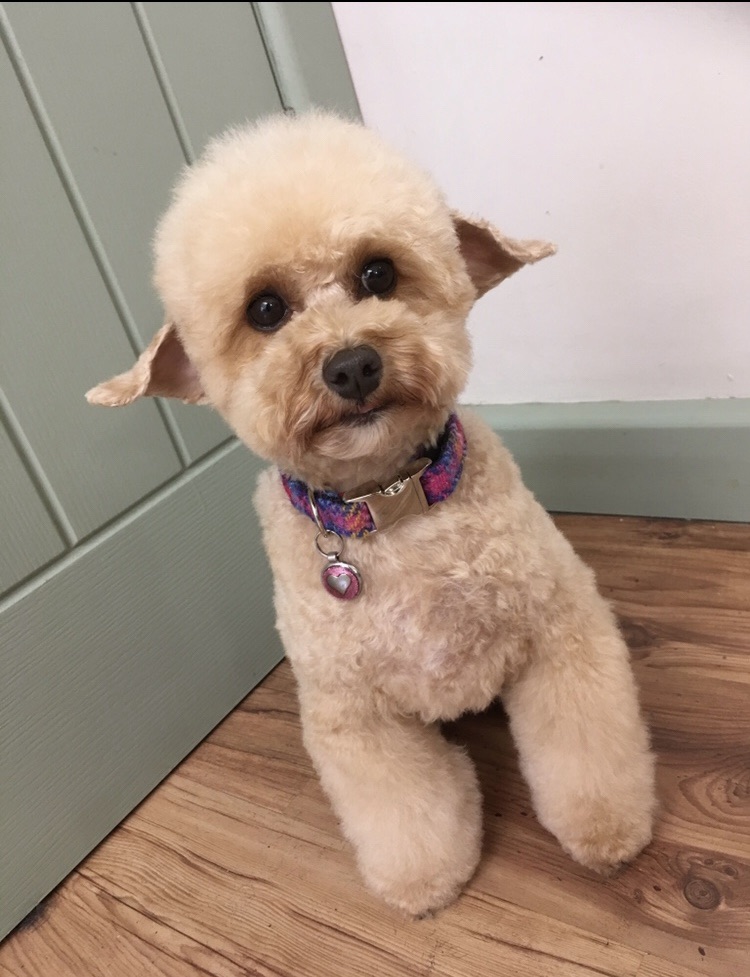
This experience, along with managing customer’s expectations helped me decide this was something I definitely did not want to offer.
Prevention is key and although I do think the ultrasonic tooth brush is a good tool. It should be used regularly by owners rather than occasionally at grooming appointments.
It is a great preventative and maintenance tool but to prevent plaque (which takes 48hrs to build up) and to be of optimal benefit it must be used at least every other day. Or maybe less often, if used alongside feeding a fresh food diet and raw meaty bones (the best teeth cleaner) and/or natural additives to food.
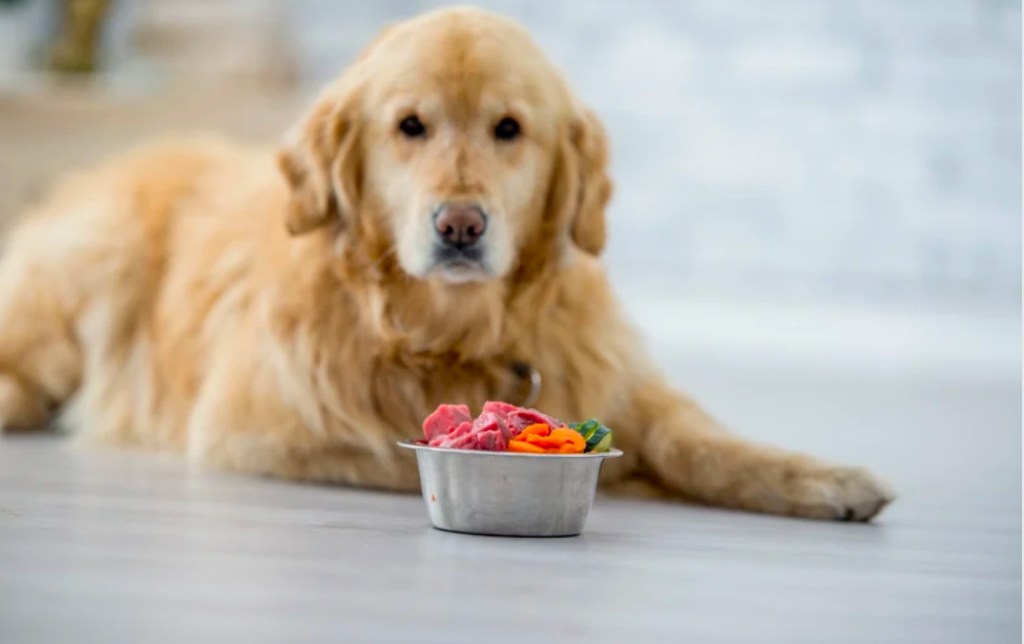
Something else to bear in mind is that studies have recently shown toothpaste ingredients can negatively impact the dog’s gut biome. Although there is one good ingredient present in toothpaste – Lactoperoxidase. However this is actually present in dog’s saliva. So increasing your dog’s saliva production seems a sensible idea to provide a healthy oral environment. Nature really does know best!
Ideally start looking after your dog’s teeth as early as possible to try to prevent veterinary intervention. Unfortunately many dogs are predisposed genetically to poor dental health and with the best will in the world will still require treatment.
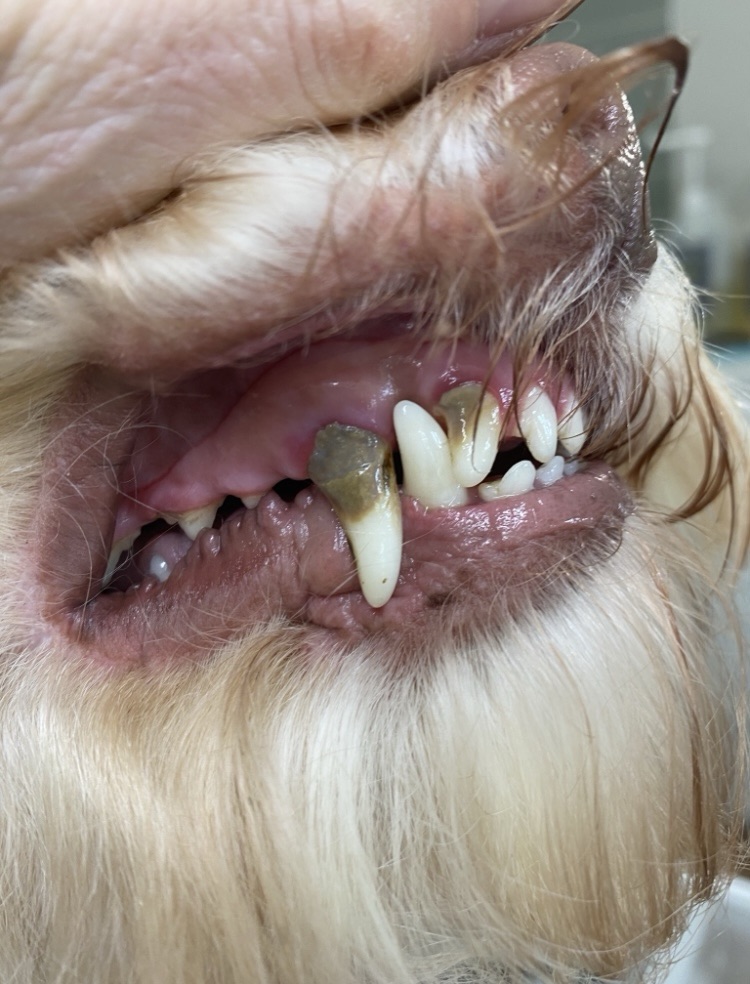
Kibble fed pets will undoubtedly require intervention , especially if their teeth are not brushed regularly.
It’s no surprise that 80% of dogs over the age of 3 have dental disease… What are they eating? We have been told by pet food companies for years that kibble cleans teeth… then why are we not applying this same logic and eating biscuits to clean ours?
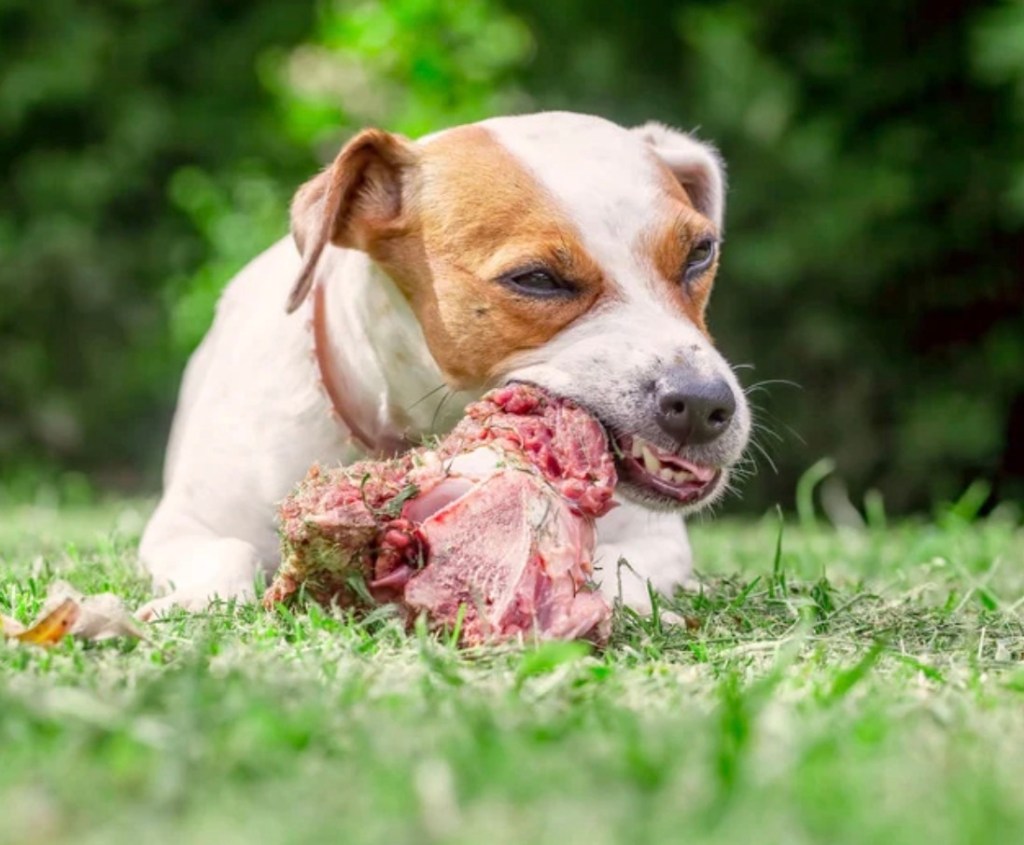
In fact dog’s don’t chew their food, one of the reasons why kibble is totally ineffective as a teeth cleaner. It literally gets crunched once or twice before being swallowed. Hence why bones and organ meat are effective, as they need to be torn and shredded by the teeth in order to be swallowed. This mechanical action is necessary to create an abrasive friction on the surface of the teeth to clean them.
A guide to feeding raw meaty bones can be found here ⬇️
https://shop.pennviewpets.co.uk
Don’t wait until there’s plaque build up to start brushing, you need to be brushing the teeth to prevent plaque causing problems in the first place.
Unless your pet is under anaesthetic it is impossible to be able to see exactly what is going on in the mouth and most importantly under the gum line.
If you are in any doubt have your pets dental health checked with your vet and then begin your home maintenance program.
Please don’t rely on a groomer or other pet care professional to clean your pet’s teeth every few weeks or months, the teeth may appear clean but you have no idea what’s going on at the back of the mouth or under the gum line, which is where the majority of problems exist.
This all applies to your cats too 😻
I’m always more than happy to advise/show you the best way to use your dental cleaning tool of choice at your pets grooming appointment 🐶 🦷🪥
You can find a comprehensive guide to your pets oral health here ⬇️
https://shop.pennviewpets.co.uk
Tina Clyde LCGI 💚

 Penn View Pets
Leave a comment