Does Your Dog Suffer With Anal Gland Issues?
Years ago it was common practice for dog groomers to routinely express dog’s anal glands as part of their groom. I’m mortified that we (the grooming industry) used to do this and subject dogs to such an unnecessary and potentially damaging procedure. Times change and thankfully as we educate ourselves, we adapt to be able to provide better care for pets.

Anal glands are a common issue and one which I think is often made worse because the cause is not usually addressed.
So, what are anal glands/sacs? They’re a pair of glands that sit within the muscle at either side of the anus. They contain glands that secrete a very smelly substance into the rectum. This coats the stool as it squeezes past on its journey into the outside world! This fluid varies in colour and texture and can be quite dark and thick to lighter and runnier, however it always has a pungent, fishy smell. Once you smell it, you’ll never forget it! This smell is important for dogs and cats and enables them to communicate all the necessary information they need to know about each other.
What happens when the glands don’t express naturally? If the glands don’t empty properly (bear in mind they are not supposed to be completely empty) the sacs will become over filled and blocked. They may also become impacted, manual expression by your vet should give instant relief. However this shouldn’t be something that is done on a regular basis. It’s one of those things that, the more you do it, the more you need to do it. It then becomes a vicious cycle, each time the glands are manually expressed you cause more trauma, leading to inflammation and more over production, meaning more expression is required. Infections may occur after repeated episodes of impaction and inflammation resulting in an abscess. In serious cases and absolutely a last resort, surgery may be required to remove the glands.
So why do anal glands go wrong? The most common reasons for anal gland issues are generally … diet, obesity and anatomy.
A poor diet will result in soft, loose stools, meaning the pressure needed from a firm stool to release the secretion from the glands does not occur. A similar issue arises with overweight dog’s. The extra covering of fat over the muscle means there is less pressure available to the glands. Some dogs, unfortunately have anatomical abnormalities, where their glands are maybe positioned abnormally, meaning they will be unable to express naturally. Often an issue may occur after a bout of diarrhoea, again, the loose stool being the cause.
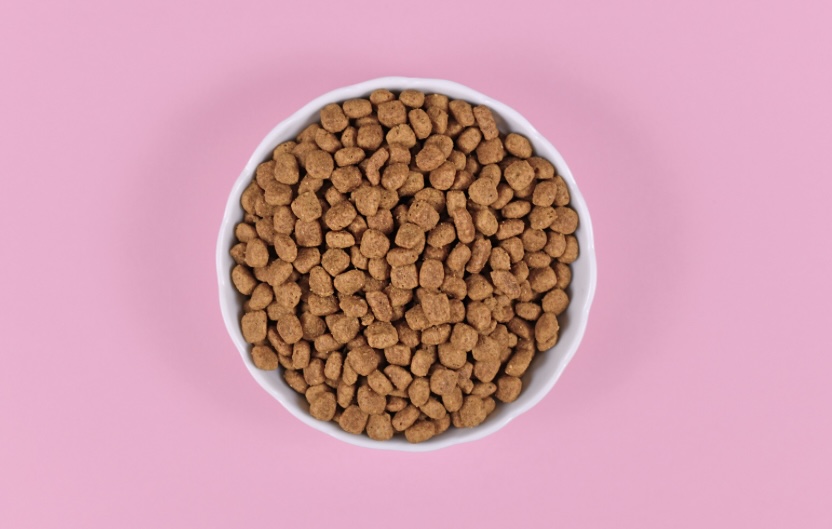
What can you do? The most important thing to do is find the cause of the issue. It is NOT normal to regularly need to manually express glands. This is going to end up possibly causing a chronic problem. Feeding a fresh food diet, including bone content will ensure your dog produces firm stools, this is a prerequisite for correct anal gland function. A fresh food diet will also improve overall health and help address any underlying inflammation in the body. Acupuncture and homeopathy can help with chronic inflammation whilst visiting a bodywork specialist such as an osteopath, physio or massage therapist would be beneficial to rule out any muscular or fascial dysfunction or weakness that could be causing or contributing to your dogs anal gland problems. Also vital is ensuring you maintain your pet at a healthy weight.

My tiny (2.8kg) Toy poodle, Berri needed to have her anal glands surgically removed. She unfortunately had 5 abscesses within 1 year. She was fed a fresh diet, always had ‘perfect’, firm poo’s and was the correct weight. There was unfortunately nothing further I could change in order to help her.
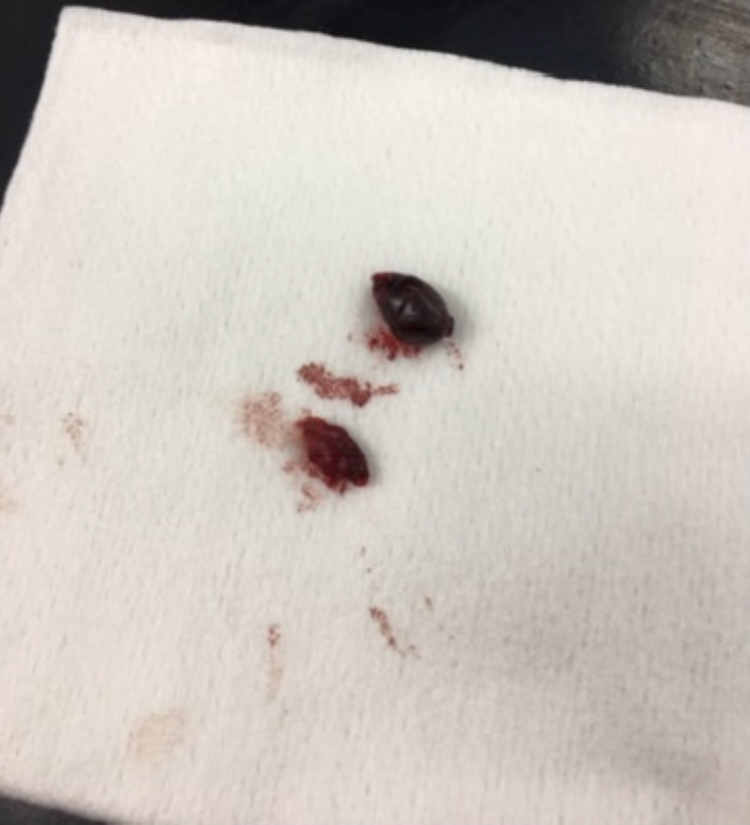
After removal it was obvious, looking at the glands why they were not functioning correctly. In Berri’s case an anatomical issue, or trauma to the glands before she lived with me.
WARNING – Pic at bottom of page. Don’t scroll down if squeamish!
Anal glands are important, delicate structures, they should not be casually squeezed like blackheads!
Try to prevent issues before they occur by addressing any possible diet changes that may help. If you’d like help with your pet’s anal glad issues or any other dietary advice, please get in touch.
Tina Clyde LCGI 💚
.
.
.
.
.
.
.
.
.
 Penn View Pets
Leave a comment